
Mas Parès News
What is foie gras made of?
Foie gras is one of the most representative products of gourmet gastronomy, and its value lies in the quality of its raw material and the simplicity of its preparation. Understanding what it is made of helps to distinguish it from other preparations and to appreciate it properly.
Foie gras is one of the most recognized products in gourmet cuisine, but also one of the most questioned. One of the most common questions is exactly what foie gras is made of and what differentiates it from similar products such as pâté or spreads.
A product based on a single ingredient
The base of foie gras is clear:
- Fatty duck liver from the species Cairina moschata or Cairina moschata x Anas platyrhynchos, with a minimum weight of 300 g.
- Fatty goose liver with a minimum weight of 300 g.
From there, the preparation is intentionally kept simple to avoid altering its natural properties.
In most cases, its composition includes:
- Duck or goose liver as the main ingredient
- Salt to enhance flavor
- Occasionally, small amounts of spices or alcohol
This simple structure is what differentiates foie gras from more elaborate products.
Why it is not the same as pâté
One of the most common misconceptions is equating foie gras with pâté, when in reality they are very different products both in composition and result.
While foie gras focuses on a single main ingredient, pâté combines different elements to build its flavor. This means that:
- Foie gras has a purer and more direct profile
- Pâté contains a mixture of meats, fats, and seasonings
- Foie gras creams soften the product with other ingredients
That is why, when seeking a more authentic experience, foie gras remains the reference.
The importance of liver proportion
Not all products labeled as foie gras offer the same level of quality. One of the most important aspects is the actual amount of liver present.
A good foie gras is recognized because:
- Liver is clearly the predominant ingredient
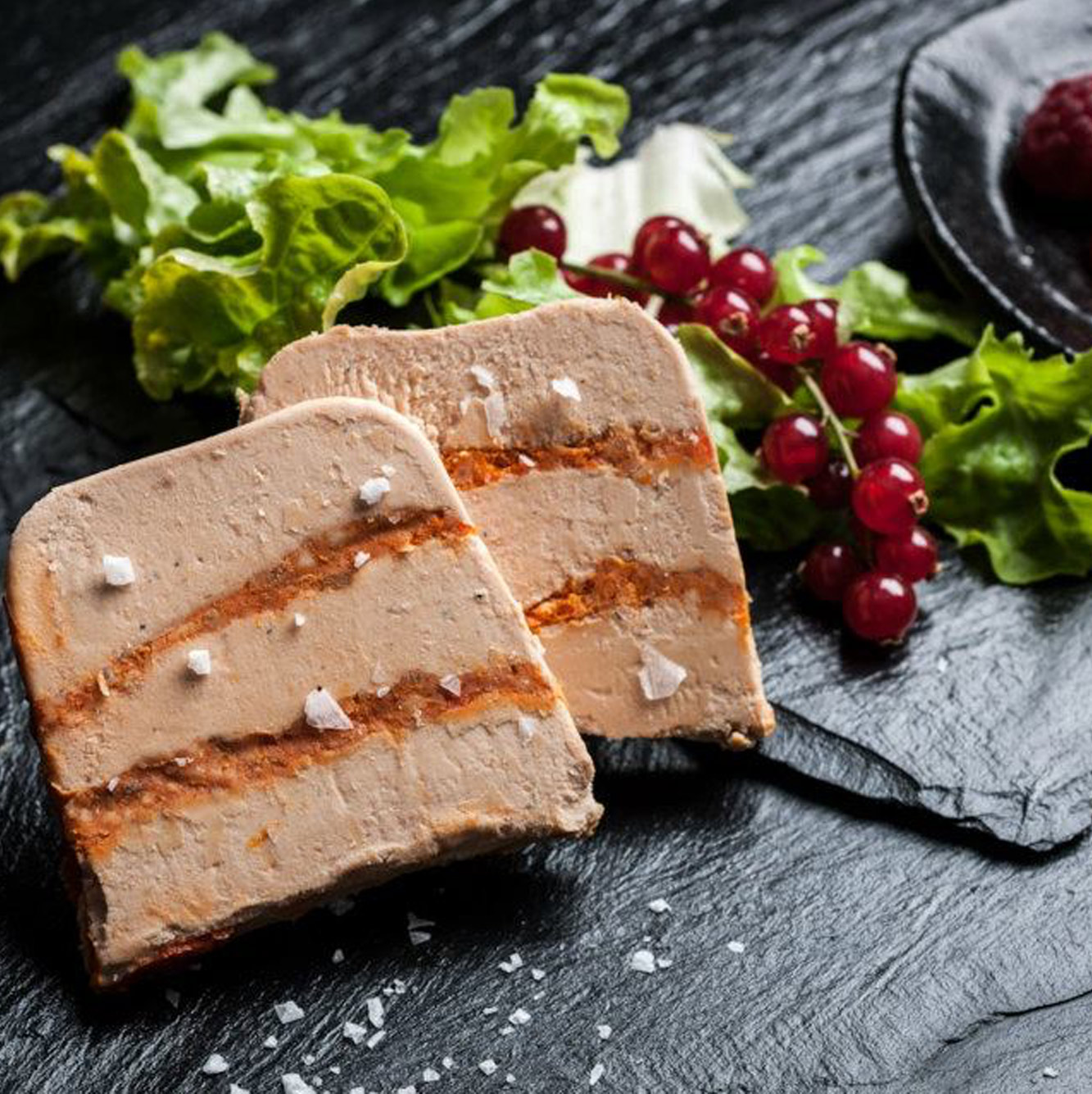
- The texture is homogeneous and natural
- The flavor is not masked by additives
The simpler the recipe, the more evident the product’s quality.
How preparation influences the final result
Although the ingredients are few, the preparation process has a direct impact on flavor and texture. Fresh foie gras is not the same as mi-cuit or preserved foie gras, as each format undergoes a different treatment.
However, in all cases, the goal is the same: to respect the product and preserve its original character.
Choosing well makes the difference
Knowing what foie gras is made of also helps make better purchasing decisions. The production process is reflected in the quality of the final product.
Therefore, it is advisable to pay attention to:
- The type of preparation
- The producer’s experience
FAQ's

Would you like to see more articles?